How Lottery Is Played

For newcomers, lotteries can seem confusing. Every game has its own rules, prize structure, drawing schedule, and ticket prices. While details vary from one state or country to another, most lottery games operate on the same basic principles.
The concept is simple.
You select numbers, purchase a ticket, and hope your numbers match those drawn by the lottery.
Millions of people play every week because lottery games offer something unique: the chance to win life-changing money for the cost of a cup of coffee or a fast-food meal.
UNDERSTANDING THE DIFFERENT TYPES OF LOTTERIES
Not all lottery games are the same.
Some games require players to choose numbers from a larger field, such as selecting six numbers from 49, 59, or even 70 possible numbers.
Other games, such as Pick 3, Pick 4, and Pick 5, require players to choose a sequence of digits rather than numbers from a pool.

Many lotteries also offer scratch-off tickets, instant-win games, second-chance drawings, and special promotional games throughout the year.
Before playing, it is important to understand exactly how your chosen game works.
HOW TO BUY A TICKET
Lottery tickets can be purchased from authorized retailers and, in some locations, through official lottery websites or mobile applications.
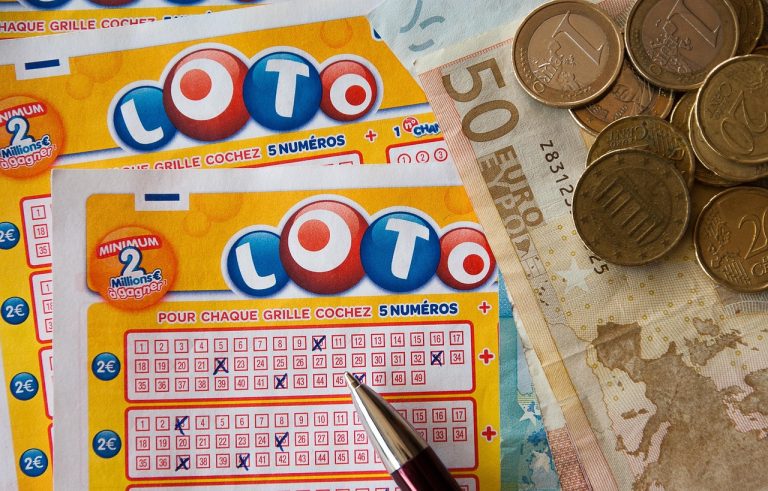
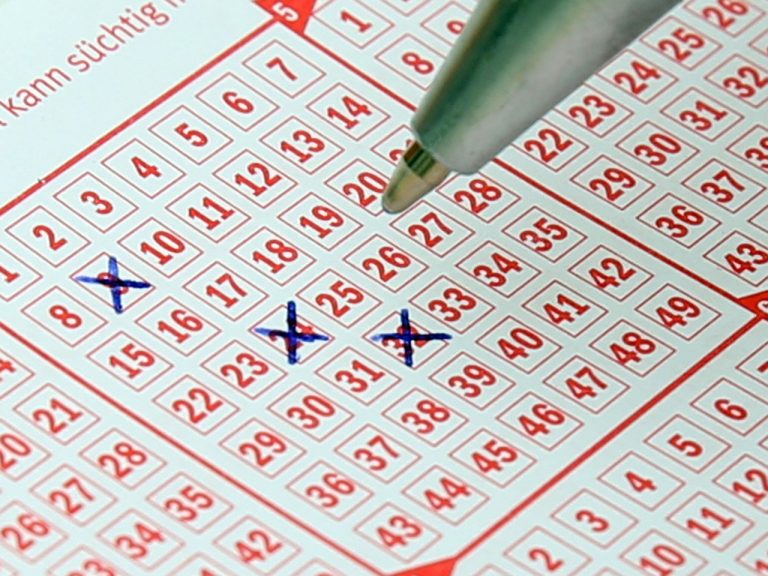
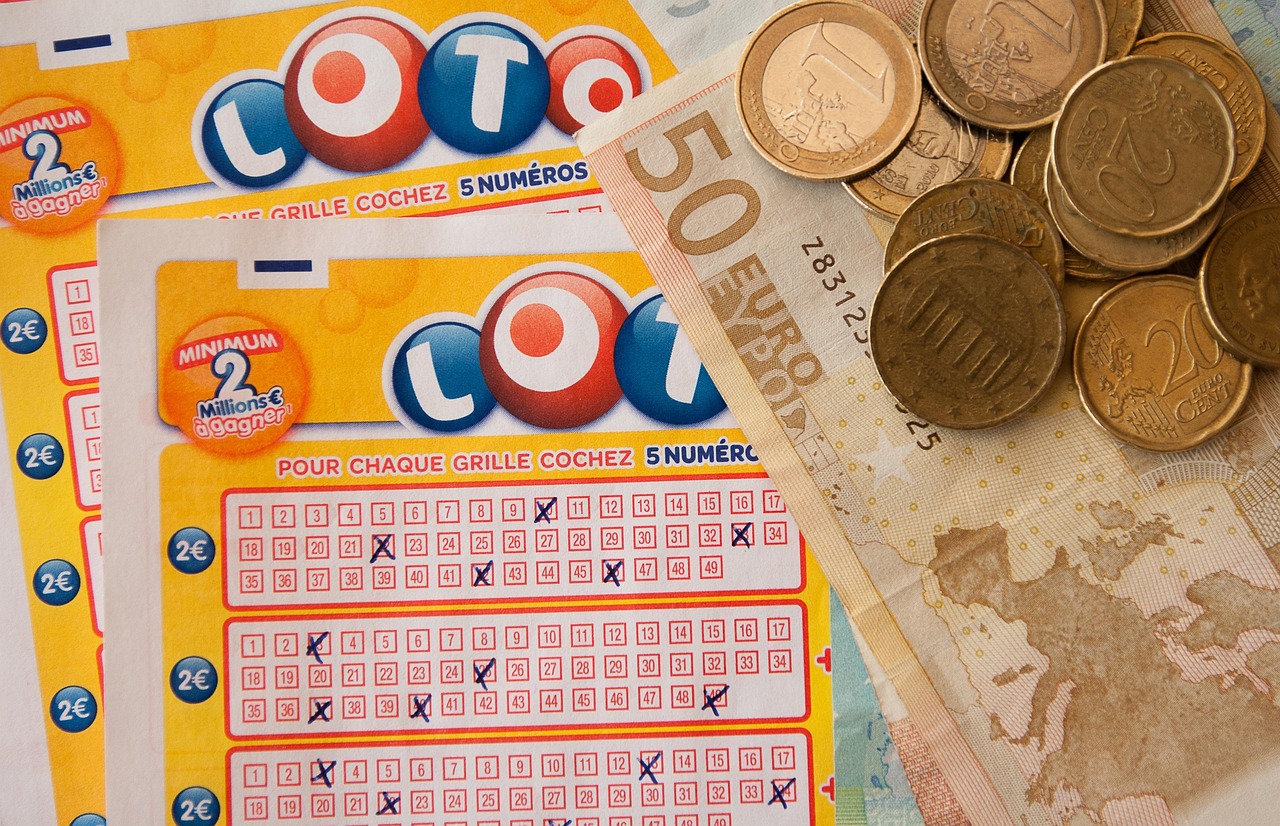
Traditionally, players filled out a play slip by marking their chosen numbers. The retailer then entered that information into the lottery terminal and printed a ticket.
Today many players simply ask for a Quick Pick, where the computer randomly selects the numbers.
Neither method has been proven superior.
A Quick Pick ticket has exactly the same chance of winning as a ticket containing carefully selected numbers.
CHOOSING YOUR NUMBERS
Ask ten lottery players how to pick numbers and you’ll receive ten different answers.
Some players use birthdays and anniversaries.
Some use lucky numbers.
Some use statistics.
Some study previous drawings.
Some let the computer decide.
The truth is that lottery drawings are designed to be random. Every combination has the same mathematical chance of being selected.
Choose numbers in whatever manner makes the game enjoyable for you.
JUST DON’T LOSE YOUR TICKET
This may sound obvious, but every year valuable lottery prizes go unclaimed because people lose their tickets, forget they purchased them, or fail to check the results.
Your ticket is your proof of ownership.
Without it, claiming a prize may be difficult or impossible depending on the rules of the lottery.
Treat every ticket as if it were cash.
Store it somewhere safe and check your numbers after the drawing.
HOW LOTTERY PRIZES WORK
Most lotteries award different prize levels.
Typically, the more numbers you match, the larger the prize.
For example, in many six-number lottery games:
Three matching numbers may win a small prize.
Four matching numbers often win a larger prize.
Five matching numbers can produce substantial winnings.
Matching all numbers generally wins the jackpot.
Some lotteries also include bonus balls or special numbers that create additional prize tiers.
Always review the official rules because every game has its own structure.
WHAT HAPPENS IF MULTIPLE PEOPLE WIN?
Many players ask this question.
The answer depends on the game, but in most traditional lotteries jackpot prizes are shared equally among all tickets matching the winning combination.
If two jackpot-winning tickets are sold, each receives half the jackpot.
If four tickets win, each receives one-quarter.
This is why some players avoid popular number patterns such as birthdays or rows across the play slip. While such combinations are no less likely to win, they may be more likely to be selected by large numbers of other players.
SHOULD YOU PLAY THE SAME NUMBERS EVERY WEEK?
Some players remain loyal to the same set of numbers for years.
Others choose new numbers every drawing.
Neither approach improves the mathematical odds.
The advantage of using the same numbers is consistency. If your favorite combination is drawn, you’ll know you had it.
The advantage of changing numbers is variety and enjoyment.
Ultimately the choice comes down to personal preference.
PLAY FOR FUN
The most important rule of all is to play responsibly.
Lotteries offer excitement, entertainment, and the possibility of a major prize.
What they do not offer is a guaranteed path to wealth.
The best players establish a budget and stick to it.
They recognize that winning is never guaranteed and regard each ticket primarily as entertainment with the added possibility of a financial reward.
A lottery ticket is really two things at once.
It is a chance.
And it is a dream.
The chance is small, but the dream is what keeps millions of people coming back every week hoping that the next drawing may be the one that changes everything.